World Ocean Day – June 8

The Ocean: The Silent Hero of Our Planet

When was the last time you stood by the sea?

Perhaps it was during a family vacation.
Your children played with the sand.
You collected seashells.
You watched the waves and took photographs.
Then you returned home.

For most of us, the ocean is a tourist destination.

A place for holidays.
A place for relaxation.
But after we leave the beach, we rarely think about it again.

Yet the ocean continues working for us every second of every day.

It helps produce the oxygen we breathe.
It helps bring the rain that grows our food.
It regulates the Earth’s climate.
It supports millions of jobs and feeds billions of people.

The ocean is not simply a body of water.
It is one of Earth’s greatest life-support systems.

That is why every year on 8 June, the world observes World Ocean Day—to remind humanity that protecting the ocean means protecting ourselves.
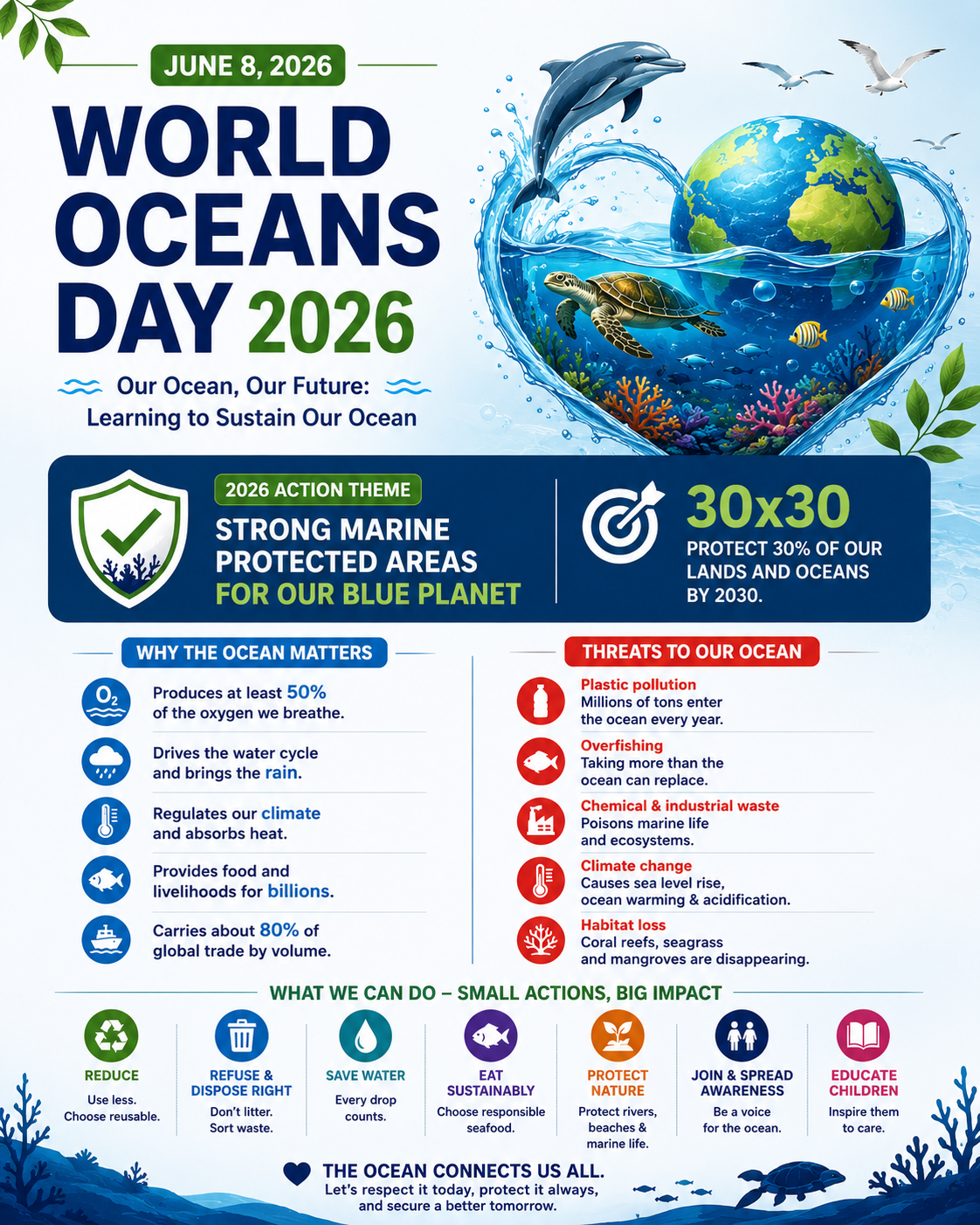

2026 Action Theme

Strong Marine Protected Areas for Our Blue Planet

This year’s action theme carries an important message.

Around the world, countries have agreed that by 2030, at least 30% of our lands and oceans should be effectively protected and managed.

This global goal is often called 30×30. But what does that mean?

Imagine a wildlife sanctuary where animals can live, reproduce, and recover without constant disturbance.

Marine Protected Areas are similar—but beneath the sea.

These protected areas help conserve:

  • Coral reefs
  • Fish breeding grounds
  • Sea turtles
  • Dolphins
  • Sharks
  • Seagrass meadows
  • Deep-sea ecosystems

The goal is not to stop people from using the ocean.
The goal is to use it wisely so that nature can recover and future generations can benefit too.

The message of 2026 is simple: A healthy ocean requires strong protection, responsible management, and collective action.


The Ocean Is Bigger Than We Imagine

The ocean covers more than 70% of Earth’s surface.

Human civilization began and developed around water.

Even today, a large share of the world’s population lives near coastlines because oceans provide food, transportation, trade, and opportunities for life and development.

But even if you live hundreds of kilometers away from the coast, your life is still connected to the ocean.


The Ocean Gives Us the Air We Breathe

Many people believe forests produce all the oxygen we breathe.

Forests are incredibly important.

But tiny marine organisms living in the ocean produce roughly half of the oxygen generated on Earth.

Every second breath we take is connected to the ocean.

The next time you take a deep breath, remember that the ocean is helping you.


The Ocean Brings Rain

Think about a farmer waiting for rain.
Think about a reservoir supplying water to a city.
Think about the rice, vegetables, fruits, and coconut trees that feed our families.

The journey begins in the ocean.

Ocean water evaporates.
Clouds form.
Rain falls.
Rivers flow.
Fields grow crops.
Food reaches our homes.

Without healthy oceans, the water cycle that sustains life would not function as we know it.


The Ocean Regulates Our Climate

The ocean absorbs enormous amounts of heat from the sun.

It acts like Earth’s natural temperature regulator.

Without oceans:

  • Summers would become even hotter.
  • Weather would become more extreme.
  • Climate patterns would become less stable.

The ocean quietly protects life every single day.


The Ocean Supports Our Economy

The ocean supports:

  • Fishing
  • Shipping
  • Ports
  • Tourism
  • International trade
  • Offshore energy
  • Scientific research

Much of the goods we buy have travelled across the sea before reaching us.
Millions of families earn their livelihoods because of healthy oceans.


The Ocean Still Holds Great Mysteries

Scientists continue discovering new marine species.

Many medicines of the future may come from organisms living beneath the sea.

The ocean is one of the least explored parts of our planet.

Protecting it also means protecting future scientific discoveries.


Then Why Is the Ocean in Trouble?

The ocean itself is not creating the problem.

Humans are.
For decades, we have taken more from nature than it can replenish.


Pollution Often Starts on Land

Many people think ocean pollution happens at the beach.

Actually, it often begins far away.

Imagine someone throws a plastic bottle onto the roadside.
Rain carries it into a drain.
The drain flows into a canal.
The canal reaches a river.
The river eventually reaches the ocean.
The person may never even visit the sea.
Yet their waste may end up there.

Protecting our streets, ponds, lakes, and rivers also protects the ocean.


Plastic Pollution

Plastic does not simply disappear.
Over time, it breaks into tiny particles called microplastics.

These particles are now found in:

  • Oceans
  • Fish
  • Sea salt
  • Drinking water
  • Even the human body

The pollution we create eventually returns to us.
Nature always completes the circle.


Overfishing

Fish populations need time to reproduce.

When humans catch fish faster than nature can replace them, marine ecosystems become unbalanced.

Protecting breeding areas helps ensure future food security and healthy oceans.


Climate Change and Rising Sea Levels

Many people ask:
“Is the sea really rising?” Yes.

As the Earth warms:

  • Glaciers melt.
  • Ice sheets lose mass.
  • Ocean water expands because warm water occupies more space.

Together, these changes raise sea levels.
This does not mean cities suddenly disappear overnight.

But over time it increases the risk of:

  • Coastal flooding
  • Beach erosion
  • Saltwater entering freshwater sources
  • Damage during storms and cyclones

For countries like India with long coastlines, this is an important challenge.


The Ocean Is Also Becoming More Stressed

Scientists have observed:

  • Declining coral reefs
  • Depleted populations of many large fish species
  • Increasing pollution
  • Warming oceans
  • Ocean acidification

These changes affect biodiversity, food security, economies, and human well-being.


What Can Governments Do?

Governments should:

  • Strengthen Marine Protected Areas.
  • Reduce marine pollution.
  • Enforce environmental laws.
  • Support scientific research.
  • Promote sustainable fisheries.
  • Cooperate internationally to protect the High Seas.

What Can Businesses Do?

Businesses should:

  • Reduce plastic packaging.
  • Prevent waste from entering waterways.
  • Improve recycling systems.
  • Adopt sustainable supply chains.
  • Invest in cleaner technologies.
  • Protect marine ecosystems rather than exploit them.

Economic growth should work with nature, not against it.


What Can Schools Do?

Schools can:

  • Teach ocean science.
  • Organize clean-up drives.
  • Encourage environmental clubs.
  • Reduce single-use plastics.
  • Inspire curiosity about marine life.

Education creates responsible citizens.


What Can Parents Teach Children?

Parents shape tomorrow’s guardians of the planet. Teach children to:

  • Never throw waste into streets or rivers.
  • Carry reusable water bottles.
  • Avoid unnecessary plastic.
  • Respect beaches and nature.
  • Save water at home.
  • Learn about marine animals.
  • Understand that rivers eventually reach the sea.

A child who learns these habits today may protect the ocean tomorrow.


What Can Each of Us Do?

We do not need to become scientists to help.

Simple actions matter:

✓ Refuse unnecessary plastic bags.
✓ Carry reusable bottles and bags.
✓ Segregate waste.
✓ Never litter.
✓ Participate in clean-up activities.
✓ Support sustainable seafood.
✓ Plant trees and protect local water bodies.
✓ Use resources responsibly.

Small actions repeated by millions of people become a powerful movement.


The Ocean Connects Everyone

Whether you live beside the coast or deep inland,
whether you are a student, farmer, teacher, engineer, doctor, entrepreneur, or retiree,

the ocean is part of your life.

It helps create the air you breathe.
It helps bring the rain that grows your food.
It supports the climate that makes life possible.
It connects nations, economies, and ecosystems.


Final Message

The next time you visit the beach, do not see only the waves.

See the oxygen that sustains you.
See the rain that feeds your crops.
See the livelihoods of millions of families.
See the future of our children.

The ocean does not ask us for applause.
It asks us for responsibility.

The greatest gift we can give future generations is not cleaner beaches alone, but a healthier ocean.

Because protecting the ocean is not about saving water.
It is about protecting life itself.

World Ocean Day 2026

Strong Marine Protected Areas for Our Blue Planet

The ocean belongs to everyone. Protecting it is everyone’s responsibility.


Tamil Version Below.

உலக பெருங்கடல் தினம் 2026

பெருங்கடல் – நாம் நினைப்பதை விட நம் வாழ்க்கைக்கு மிகவும் முக்கியமானது

கடைசியாக நீங்கள் எப்போது கடற்கரைக்குச் சென்றீர்கள்?

ஒருவேளை குடும்பத்துடன் சுற்றுலா சென்றிருக்கலாம்.

குழந்தைகள் மணலில் விளையாடியிருக்கலாம்.

அலைகளை ரசித்து புகைப்படங்கள் எடுத்திருக்கலாம்.

அழகான சூரிய உதயத்தையோ அல்லது சூரிய அஸ்தமனத்தையோ பார்த்து மகிழ்ந்திருக்கலாம்.

நம்மில் பலருக்கு கடல் என்பது ஒரு சுற்றுலா இடம்.

ஓய்வெடுக்க ஒரு இடம்.

நினைவுகளை சேமிக்கும் ஒரு இடம்.

ஆனால் வீட்டிற்கு திரும்பிய பிறகு, அந்தக் கடலைப் பற்றி மீண்டும் எத்தனை முறை நினைக்கிறோம்?

உண்மையில், நாம் நினைக்காவிட்டாலும், பெருங்கடல் ஒவ்வொரு நொடியும் நமக்காக வேலை செய்து கொண்டே இருக்கிறது.

நாம் சுவாசிக்கும் காற்றுக்கும்,

நாம் சாப்பிடும் உணவுக்கும்,

நாம் பெறும் மழைக்கும்,

இந்த பூமியின் காலநிலைக்கும்,

பெருங்கடல் மிகப்பெரிய பங்களிப்பை வழங்குகிறது.

அதனால்தான் ஒவ்வொரு ஆண்டும் ஜூன் 8 அன்று உலகம் உலக பெருங்கடல் தினத்தை அனுசரிக்கிறது.


2026 செயல்பாட்டு கருப்பொருள்

“நமது பூமிக்காக வலுவான கடல் பாதுகாப்புப் பகுதிகள்”

இந்த ஆண்டின் செய்தி மிகவும் எளிமையானது.

நாம் காடுகளுக்கு சரணாலயங்களை உருவாக்குவது போல, கடலிலும் பாதுகாக்கப்பட்ட பகுதிகள் தேவை.

அவற்றை Marine Protected Areas (MPAs) என்று அழைக்கின்றனர்.

இவை பாதுகாக்க உதவுவது:

🐠 மீன்களின் இனப்பெருக்க பகுதிகள்

🐢 கடல் ஆமைகள்

🪸 பவளப்பாறைகள்

🐬 டால்பின்கள்

🌿 கடல் புல்வெளிகள்

மற்றும் எண்ணற்ற கடல்வாழ் உயிரினங்கள்.

உலக நாடுகள் இணைந்து 2030க்குள் குறைந்தது 30% நிலப்பரப்பையும் கடல் பகுதிகளையும் பாதுகாக்க வேண்டும் என்ற இலக்கை நிர்ணயித்துள்ளன. இது 30×30 என்ற இலக்காக அழைக்கப்படுகிறது.

இது மனிதர்களை கடலிலிருந்து விலக்குவதற்காக அல்ல.

எதிர்கால சந்ததியினருக்கும் ஆரோக்கியமான கடலை விட்டுச் செல்லுவதற்காக.


பெருங்கடல் ஏன் முக்கியம்?

🌍 இது பூமியின் 70%க்கும் மேற்பட்ட பகுதியை மூடியுள்ளது.

🌬️ நாம் சுவாசிக்கும் ஆக்சிஜனில் மிகப்பெரிய பங்கு கடலுடன் தொடர்புடையது.

🌧️ மழை சுழற்சியின் அடிப்படை கடலே.

கடல்

ஆவியாகுதல்

மேகங்கள்

மழை

ஆறுகள்

விவசாயம்

உணவு

வாழ்க்கை


🌡️ கடல் பூமியின் வெப்பநிலையை சமநிலைப்படுத்துகிறது

கடல் மிகப்பெரிய இயற்கை வெப்பக் கட்டுப்பாட்டாளராக செயல்படுகிறது.

அது இல்லையெனில் உலகின் காலநிலை மிகவும் கடுமையாக மாறியிருக்கும்.


🍽️ கோடிக்கணக்கான மக்களின் வாழ்வாதாரம்

மீனவர்கள்,

துறைமுக தொழிலாளர்கள்,

கடல் சார்ந்த தொழில்கள்,

சுற்றுலாத்துறை,

சர்வதேச வர்த்தகம்—

இவை அனைத்தும் ஆரோக்கியமான பெருங்கடலை சார்ந்தவை.


பெருங்கடல் எப்படி மாசடைகிறது?

பலர் கடற்கரையில் தான் மாசுபாடு ஏற்படுகிறது என்று நினைக்கிறார்கள்.

ஆனால் உண்மை வேறு.

ஒருவர் சாலையில் ஒரு பிளாஸ்டிக் பாட்டிலை வீசுகிறார்.

மழை அதை வடிகாலுக்கு கொண்டு செல்கிறது.

வடிகால் கால்வாயை அடைகிறது.

கால்வாய் ஆற்றை அடைகிறது.

ஆறு கடலை அடைகிறது.

அதனால், நமது தெருக்களை சுத்தமாக வைத்திருப்பதும் கடலை பாதுகாப்பதே.


பிளாஸ்டிக் மாசுபாடு

பிளாஸ்டிக் மறைந்து போவதில்லை.

அது சிறிய துகள்களாக உடைந்து மைக்ரோ பிளாஸ்டிக் ஆக மாறுகிறது.

இவை இன்று:

  • மீன்களில்
  • கடல் உப்பில்
  • குடிநீரில்
  • மனித உடலிலும்

கண்டறியப்படுகின்றன.

இயற்கை எப்போதும் நாம் செய்ததை நமக்கே திருப்பித் தருகிறது.


அதிகப்படியான மீன்பிடித்தல்

இயற்கைக்கு மீன்களை மீண்டும் உருவாக்க நேரம் தேவை.

ஆனால் மனிதர்கள் அதைவிட வேகமாக பிடிக்கும்போது, கடல் உயிரியல் சமநிலை பாதிக்கப்படுகிறது.


காலநிலை மாற்றமும் கடல் மட்ட உயர்வும்

“கடல் மட்டம் உண்மையிலேயே உயருகிறதா?”

ஆம்.

பூமி வெப்பமடைகிறது.

பனிப்பாறைகள் உருகுகின்றன.

அதன் நீர் கடலுக்குச் செல்கிறது.

வெப்பமான கடல் நீர் விரிவடைகிறது.

கடல் மட்டம் உயர்கிறது.

இதன் விளைவுகள்:

  • கடலோர வெள்ளம்
  • கடற்கரை அரிப்பு
  • உவர்நீர் உட்புகுதல்
  • புயல்களின் தாக்கம் அதிகரித்தல்

இவை எதிர்காலத்திற்கு மிகப்பெரிய சவால்கள்.


நாம் என்ன செய்யலாம்?

✅ தேவையற்ற பிளாஸ்டிக் பயன்பாட்டை குறைப்போம்.

✅ குப்பையை எங்கு வேண்டுமானாலும் வீசாமல் சரியாக அகற்றுவோம்.

✅ ஆறுகள், குளங்கள் மற்றும் ஏரிகளை சுத்தமாக வைத்திருப்போம்.

✅ தண்ணீரை வீணாக்காமல் பயன்படுத்துவோம்.

✅ இயற்கையை மதிப்போம்.

✅ கடற்கரைக்கு செல்லும்போது குப்பையை திரும்ப எடுத்துச் செல்வோம்.

✅ சுற்றுச்சூழல் விழிப்புணர்வை மற்றவர்களுக்கும் பகிர்வோம்.

சிறிய செயல்கள் கோடிக்கணக்கான மக்களால் செய்யப்படும்போது மிகப்பெரிய மாற்றமாக மாறுகின்றன.


பெற்றோர்களுக்கும் ஆசிரியர்களுக்கும் ஒரு வேண்டுகோள்

இன்றைய குழந்தைகள்தான் நாளைய பூமியின் பாதுகாவலர்கள்.

அவர்களுக்கு கற்றுக்கொடுப்போம்:

🌱 இயற்கையை நேசிக்க.

🚯 குப்பை வீசக்கூடாது.

💧 தண்ணீரை சேமிக்க.

🌊 கடலும் ஆறும் ஒன்றோடொன்று இணைந்தவை என்பதை புரிந்துகொள்ள.

🐢 கடல்வாழ் உயிரினங்களையும் மதிக்க.

ஒரு நல்ல பழக்கம் ஒரு குழந்தையை மாற்றும்.

ஒரு தலைமுறையின் நல்ல பழக்கங்கள் உலகத்தை மாற்றும்.


இறுதி செய்தி

அடுத்த முறை நீங்கள் கடற்கரையில் அலைகளைப் பார்க்கும்போது,

அது வெறும் தண்ணீர் அல்ல என்பதை நினைவில் கொள்ளுங்கள்.

அது நீங்கள் சுவாசிக்கும் காற்றின் ஒரு பகுதி.

அது நீங்கள் சாப்பிடும் உணவின் ஒரு பகுதி.

அது உலகின் காலநிலையை சமநிலைப்படுத்தும் இயற்கையின் அதிசயம்.

பெருங்கடலை பாதுகாப்பது என்பது

மீன்களையோ அல்லது கடற்கரையையோ மட்டும் காப்பாற்றுவது அல்ல.

நமது எதிர்காலத்தையும், நமது குழந்தைகளின் எதிர்காலத்தையும் பாதுகாப்பதாகும்.

உலக பெருங்கடல் தினம் 2026

“நமது நீல பூமிக்காக வலுவான கடல் பாதுகாப்புப் பகுதிகள்”

பெருங்கடல் அனைவருக்கும் சொந்தமானது.
அதை பாதுகாப்பது நம் அனைவரின் பொறுப்பு.
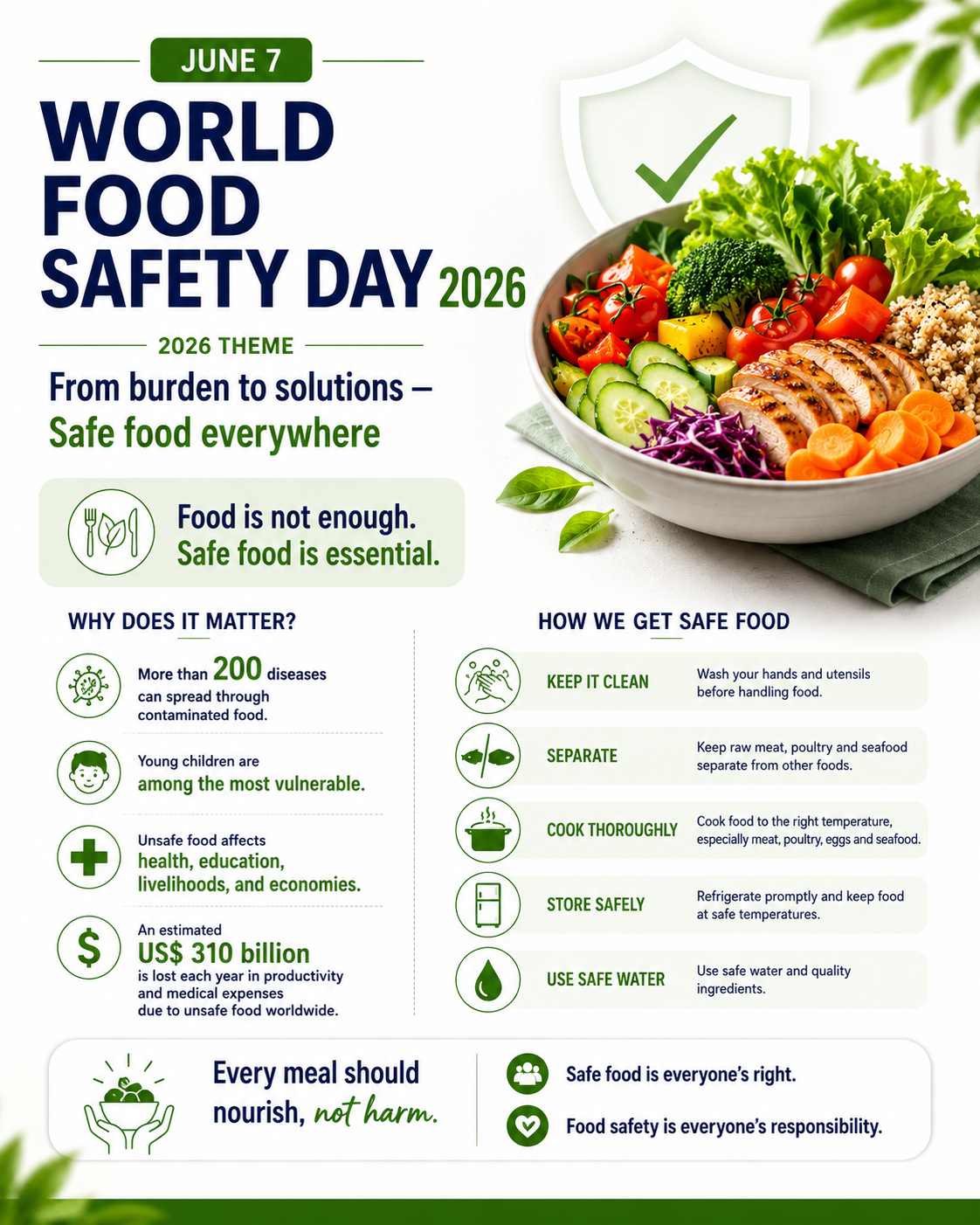
World Food Safety Day – June 7

From burden to solutions – Safe food everywhere

Every day, we eat food to nourish our bodies, support our families, and build a better future. But there is one simple question that many of us never ask:

Is the food we eat safe?

Food should give us energy, health, and happiness. It should never become a source of disease. Yet, millions of people around the world fall sick every year because of unsafe food. Many lose their lives, and many more suffer long-term health problems that could have been prevented.

That is why June 7 is observed every year as World Food Safety Day by the World Health Organization (WHO) and the Food and Agriculture Organization (FAO) together with governments, scientists, food businesses, health professionals, and consumers across the world.

The purpose of this day is not simply to celebrate food but to remind everyone that food safety saves lives.


2026 Theme

From burden to solutions – Safe food everywhere

This year’s theme carries a powerful message.

For many years, science and data have shown us that unsafe food causes enormous health and economic burdens across the world. We already know the problem.

Now it is time to move from simply recognizing the burden to implementing practical solutions.

Instead of asking,

“How serious is the problem?”

we should ask,

“What can each one of us do to solve it?”

Because safe food is not created by one person or one organization. It requires cooperation from everyone involved in the journey of food—from the farm to the dining table.


Food safety, nutrition and food security are connected

Having enough food is important.

Having nutritious food is important.

But neither is complete without safe food.

Food safety, nutrition, and food security are inseparable. A healthy society cannot exist without all three.

A nutritious meal loses its value if it is contaminated.


The global burden

According to WHO estimates:

  • Around 866 million people become ill every year after eating contaminated food.
  • Approximately 1.52 million people die annually due to foodborne diseases.
  • Nearly US$310 billion is lost globally each year through productivity losses and medical expenses.
  • Children under 5 years of age account for approximately 29% of the global health burden caused by unsafe food, with around 143,000 deaths in 2021.

These numbers represent families, children, workers, students, and communities whose lives are affected by something that is often preventable.


Why does unsafe food matter?

Unsafe food does not only cause stomach pain or food poisoning.

It can affect:

  • Public health
  • Child development
  • Education
  • Family income
  • National economies
  • Tourism
  • International trade

A single unsafe meal can affect an individual’s health, while large outbreaks can impact entire communities and countries.


More than 200 diseases can spread through unsafe food

Unsafe food contaminated by harmful bacteria, viruses, parasites, or chemicals can cause more than 200 different diseases, ranging from mild diarrhoea to severe infections and cancers.

Foodborne diseases create a vicious cycle:

Disease → Malnutrition → Poor health → Reduced productivity → Economic loss.


What makes food unsafe?

Food may become contaminated through many hazards.

Bacteria

Examples include:

  • Salmonella
  • Campylobacter
  • Escherichia coli (E. coli)
  • Listeria
  • Shigella

These may cause:

  • Fever
  • Vomiting
  • Diarrhoea
  • Abdominal pain
  • Severe infections
  • Long-term complications
  • Death in vulnerable individuals

Raw or undercooked poultry, unpasteurized milk, contaminated vegetables, and improperly handled foods are common sources.


Viruses

Food can transmit viruses such as:

  • Norovirus
  • Hepatitis A
  • Hepatitis E

Contaminated water, raw seafood, frozen berries, and improperly handled food can spread these infections.


Parasites

Some parasites enter the body through contaminated food and may remain unnoticed for years before causing disease.

Certain parasitic infections may lead to epilepsy, liver disease, bile duct cancer, or complications during pregnancy.


Chemical hazards

Food may contain harmful chemicals including:

  • Lead
  • Arsenic
  • Mercury
  • Cadmium
  • Pesticide residues
  • Industrial pollutants
  • Radioactive contaminants
  • Natural toxins produced by moulds

Long-term exposure may contribute to:

  • Cardiovascular diseases
  • Kidney disease
  • Developmental disorders
  • Cancer
  • Neurological problems

Climate change and food safety

Climate change is expected to increase food safety risks.

Higher temperatures, floods, droughts, and changing rainfall patterns influence:

  • Food production
  • Water quality
  • Food storage
  • Transportation
  • Growth of harmful microorganisms

In today’s interconnected world, a local food safety problem can quickly become an international concern.


Food safety starts long before we eat

Many people think food safety begins in the kitchen.

Actually, it begins on the farm.

The journey includes:

👨‍🌾 Farmers

🌱 Agricultural practices

🏭 Food processors

🚚 Transporters

🏪 Retailers

🍽 Restaurants

👩‍🍳 Home kitchens

👨‍👩‍👧 Consumers

Every step matters.

One mistake anywhere along the chain can affect the final consumer.


What governments should do

Governments should:

  • Make food safety a continuous national priority.
  • Develop evidence-based policies.
  • Strengthen food control systems.
  • Rank risks and prioritize preventive actions.
  • Improve surveillance and monitoring.
  • Invest in scientific research.
  • Use reliable data to guide decisions.

What food businesses should do

Food businesses should:

  • Train employees regularly.
  • Follow good hygiene practices.
  • Implement food safety management systems such as HACCP where applicable.
  • Identify and control hazards throughout production and distribution.
  • Continuously monitor and improve food safety practices.

Safe food should never be compromised for speed or profit.


What health professionals should do

Health professionals should:

  • Improve disease detection.
  • Strengthen diagnostics.
  • Report outbreaks quickly.
  • Collaborate across sectors.
  • Support awareness and prevention programmes.

Early detection saves lives.


What consumers can do

Consumers play one of the most important roles.

Simple habits can prevent many illnesses.

1. Keep food clean

  • Wash hands before handling food.
  • Keep utensils and surfaces clean.
  • Maintain kitchen hygiene.

2. Separate raw and cooked food

  • Avoid cross-contamination.
  • Use separate cutting boards and utensils when possible.

3. Cook food thoroughly

  • Cook meat, poultry, seafood, and eggs completely.
  • Proper cooking destroys many harmful microorganisms.

4. Store food safely

  • Refrigerate food promptly.
  • Do not leave cooked food at room temperature for long periods.
  • Maintain safe storage temperatures.

5. Use safe water and quality ingredients

  • Drink safe water.
  • Wash fruits and vegetables thoroughly.
  • Purchase food from trusted sources.
  • Check expiry dates.
  • Avoid spoiled or damaged food.

Parents have a special responsibility

Children develop lifelong habits at home.

Teach them to:

  • Wash hands before eating.
  • Drink safe water.
  • Avoid expired or spoiled food.
  • Understand basic food hygiene.
  • Appreciate that cleanliness is part of good health.

Healthy habits learned in childhood protect them throughout life.


Science drives solutions

One of the most important messages of the 2026 campaign is that science and evidence should guide action.

Reliable data helps governments, businesses, and health systems understand risks, allocate resources wisely, and implement practical solutions that save lives.

Knowledge should not remain in reports—it should become action.


Food safety is everyone’s responsibility

Food safety is not only the responsibility of governments.

It is not only the responsibility of food businesses.

It is not only the responsibility of doctors.

It is not only the responsibility of consumers.

It is the shared responsibility of:

👨‍🌾 Farmers
🏭 Food producers
🚚 Transporters
🏪 Retailers
🍽 Restaurants
👩‍🍳 Home cooks
🩺 Health professionals
🏛 Governments
👨‍👩‍👧 Consumers

When everyone does their part, everyone benefits.


Final message

Every meal should nourish, not harm.

Every safe meal protects a family.

Every good food safety practice prevents disease.

Every responsible action strengthens society.

Food is not enough. Safe food is essential.

Safe food is everyone’s right.

Food safety is everyone’s responsibility.

World Food Safety Day 2026

From burden to solutions – Safe food everywhere.


உலக உணவு பாதுகாப்பு தினம் 2026

2026 கருப்பொருள்:

“பிரச்சனைகளிலிருந்து தீர்வுகளுக்கு – எல்லோருக்கும் பாதுகாப்பான உணவு”

உணவு மட்டும் போதாது… பாதுகாப்பான உணவும் அவசியம்.

நாம் தினமும் உணவு சாப்பிடுகிறோம்.

உடலுக்கு சக்தி பெறவும், குடும்பத்துடன் மகிழ்ச்சியாக வாழவும், நல்ல ஆரோக்கியத்தை பேணவும் உணவு மிகவும் அவசியம்.

ஆனால் நாம் எத்தனை முறை ஒரு முக்கியமான கேள்வியை நம்மிடம் கேட்கிறோம்?

“நாம் சாப்பிடும் உணவு உண்மையில் பாதுகாப்பானதா?”

உணவு நமக்கு உயிரையும் ஆரோக்கியத்தையும் தர வேண்டும். அது ஒருபோதும் நோய்க்கு காரணமாக இருக்கக்கூடாது.

ஆனால் உலகம் முழுவதும் கோடிக்கணக்கான மக்கள் பாதுகாப்பற்ற உணவை உட்கொள்வதால் நோய்களுக்கு ஆளாகின்றனர். பலர் உயிரிழக்கின்றனர். இன்னும் பலர் நீண்டகால உடல்நலப் பிரச்சனைகளால் பாதிக்கப்படுகின்றனர்.

இதனால்தான் ஒவ்வொரு ஆண்டும் ஜூன் 7 அன்று உலக சுகாதார நிறுவனம் (WHO) மற்றும் உணவு மற்றும் வேளாண்மை அமைப்பு (FAO) இணைந்து உலக உணவு பாதுகாப்பு தினத்தை அனுசரிக்கின்றன.

இந்த நாள் ஒரு விழா அல்ல.

இது ஒரு விழிப்புணர்வு.

இது ஒரு பொறுப்பு.

இது ஒரு அழைப்பு.


ஏன் உலக உணவு பாதுகாப்பு தினம்?

இந்த தினத்தின் நோக்கம்:

✅ பாதுகாப்பான உணவின் அவசியத்தை உலகிற்கு உணர்த்துதல்

✅ உணவின் மூலம் பரவும் நோய்களை குறைத்தல்

✅ அரசுகள், விஞ்ஞானிகள், உணவு நிறுவனங்கள் மற்றும் பொதுமக்கள் இணைந்து செயல்பட ஊக்குவித்தல்

✅ அனைவருக்கும் பாதுகாப்பான மற்றும் சத்தான உணவு கிடைக்க வேண்டும் என்பதை வலியுறுத்துதல்

உணவு பாதுகாப்பு என்பது உடல்நலத்தை மட்டுமல்ல…

அது கல்வி, பொருளாதாரம், வேலைவாய்ப்பு, குடும்ப நலம் மற்றும் ஒரு நாட்டின் வளர்ச்சியையும் தீர்மானிக்கிறது.


2026 கருப்பொருள் என்ன சொல்கிறது?

“பிரச்சனைகளிலிருந்து தீர்வுகளுக்கு – எல்லோருக்கும் பாதுகாப்பான உணவு.”

பல ஆண்டுகளாக உலகம் பாதுகாப்பற்ற உணவால் ஏற்படும் பாதிப்புகளை ஆய்வு செய்து வருகிறது.

எத்தனை பேர் நோயுற்றார்கள்…

எத்தனை பேர் உயிரிழந்தார்கள்…

எவ்வளவு பொருளாதார இழப்பு ஏற்பட்டது…

என்பதை நாம் அறிந்துவிட்டோம்.

இப்போது அவற்றை எண்ணிக்கொண்டே இருப்பதற்கான நேரம் அல்ல.

தீர்வுகளை நடைமுறைப்படுத்த வேண்டிய நேரம் இது.


உணவு பாதுகாப்பு ஏன் முக்கியம்?

உணவு, சத்துணவு மற்றும் உணவு பாதுகாப்பு மூன்றும் ஒன்றோடொன்று இணைந்தவை.

உணவு இருந்தால் மட்டும் போதாது.

சத்தான உணவு இருந்தால் மட்டும் போதாது.

பாதுகாப்பான உணவு இருக்க வேண்டும்.

ஒரு சத்தான உணவு கூட மாசுபட்டிருந்தால் அது நோய்க்கு காரணமாகிவிடும்.


உலகளாவிய உண்மைகள்

WHO மதிப்பீட்டின்படி:

• ஆண்டுதோறும் சுமார் 866 மில்லியன் மக்கள் பாதுகாப்பற்ற உணவை சாப்பிட்டு நோய்களுக்கு ஆளாகின்றனர்.

• ஆண்டுதோறும் சுமார் 1.52 மில்லியன் மக்கள் உயிரிழக்கின்றனர்.

• பாதுகாப்பற்ற உணவால் உலக பொருளாதாரத்திற்கு ஆண்டுக்கு சுமார் 310 பில்லியன் அமெரிக்க டாலர் இழப்பு ஏற்படுகிறது.

5 வயதிற்குட்பட்ட குழந்தைகள் பாதுகாப்பற்ற உணவால் ஏற்படும் உடல்நல பாதிப்புகளில் மிகப்பெரிய பங்கைக் கொண்டுள்ளனர்.

இந்த எண்ணிக்கைகள் வெறும் புள்ளிவிவரங்கள் அல்ல.

இவை மனித வாழ்க்கைகள்.

இவை குடும்பங்கள்.

இவை எதிர்காலங்கள்.


பாதுகாப்பற்ற உணவு என்னென்ன நோய்களை ஏற்படுத்தும்?

பாதுகாப்பற்ற உணவு மூலம் 200-க்கும் மேற்பட்ட நோய்கள் பரவக்கூடும்.

சாதாரண வயிற்றுப்போக்கிலிருந்து தீவிர தொற்றுகள் மற்றும் சில வகை புற்றுநோய்கள் வரை பல நோய்களுக்கு இது காரணமாக இருக்கலாம்.


உணவு எப்படி மாசுபடுகிறது?

🦠 பாக்டீரியாக்கள்

Salmonella, E.coli, Listeria, Campylobacter போன்றவை

இதனால்:

• காய்ச்சல்

• வாந்தி

• வயிற்றுப்போக்கு

• வயிற்றுவலி

• தீவிர தொற்றுகள்

ஏற்படலாம்.


🧬 வைரஸ்கள்

Norovirus,

Hepatitis A,

Hepatitis E போன்றவை உணவின் மூலம் பரவக்கூடும்.


🪱 ஒட்டுண்ணிகள்

சில ஒட்டுண்ணிகள் உணவின் மூலம் உடலுக்குள் சென்று பல ஆண்டுகள் கழித்து கூட நோய்களை ஏற்படுத்தக்கூடும்.


⚠️ வேதிப்பொருள் மாசுபாடு

உணவில்:

• ஈயம் (Lead)

• ஆர்சனிக்

• பாதரசம்

• கேட்மியம்

• பூச்சிக்கொல்லி எச்சங்கள்

• தொழிற்சாலை மாசுகள்

• பூஞ்சை நச்சுகள்

இருக்கக்கூடும்.

இவை நீண்டகாலத்தில்:

• இதய நோய்

• சிறுநீரக பாதிப்பு

• நரம்பியல் பிரச்சனைகள்

• புற்றுநோய்

போன்றவற்றிற்கு காரணமாகலாம்.


காலநிலை மாற்றமும் உணவு பாதுகாப்பும்

காலநிலை மாற்றம் உணவு பாதுகாப்பிற்கும் பெரிய சவாலாக உள்ளது.

அதிக வெப்பநிலை,

வெள்ளம்,

வறட்சி,

மழை மாறுபாடு,

நீரின் தர மாற்றம்

போன்றவை உணவு மாசுபடும் அபாயத்தை அதிகரிக்கின்றன.

இன்று ஒரு கிராமத்தில் ஏற்படும் உணவு பாதுகாப்பு பிரச்சனை கூட நாளை பெரிய அளவில் பரவக்கூடியதாக இருக்கலாம்.


உணவு பாதுகாப்பு எங்கு தொடங்குகிறது?

பலர் அது சமையலறையில் தொடங்குகிறது என்று நினைக்கிறார்கள்.

உண்மையில் அது வயலில் தொடங்குகிறது.

அதன் பயணம்:

👨‍🌾 விவசாயி

🏭 உணவு தயாரிப்பாளர்

🚚 போக்குவரத்து

🏪 கடை

🍽️ உணவகம்

👩‍🍳 வீட்டு சமையலறை

👨‍👩‍👧 நுகர்வோர்

இந்த சங்கிலியில் எந்த இடத்தில் தவறு நடந்தாலும் இறுதியில் பாதிக்கப்படுவது நாம்தான்.


அரசுகள் செய்ய வேண்டியது

• உணவு பாதுகாப்பை தேசிய முன்னுரிமையாக கருத வேண்டும்.

• அறிவியல் ஆதாரங்களின் அடிப்படையில் கொள்கைகள் அமைக்க வேண்டும்.

• உணவு கண்காணிப்பு முறைகளை வலுப்படுத்த வேண்டும்.

• ஆபத்துகளை முன்கூட்டியே கண்டறிந்து தடுப்பு நடவடிக்கைகளை எடுக்க வேண்டும்.


உணவு நிறுவனங்கள் செய்ய வேண்டியது

• பணியாளர்களுக்கு பயிற்சி வழங்க வேண்டும்.

• சுகாதார நடைமுறைகளை பின்பற்ற வேண்டும்.

• HACCP போன்ற உணவு பாதுகாப்பு முறைகளை பயன்படுத்த வேண்டும்.

• தயாரிப்பிலிருந்து விற்பனை வரை பாதுகாப்பை உறுதி செய்ய வேண்டும்.


மருத்துவத் துறை செய்ய வேண்டியது

• நோய்களை விரைவாக கண்டறிய வேண்டும்.

• உணவின் மூலம் பரவும் நோய்களை கண்காணிக்க வேண்டும்.

• பொதுமக்களுக்கு விழிப்புணர்வு ஏற்படுத்த வேண்டும்.


நாம் என்ன செய்யலாம்?

1. சுத்தமாக வைத்திருங்கள்

🧼 உணவு செய்வதற்கு முன் கைகளை கழுவுங்கள்.

🧽 பாத்திரங்கள் மற்றும் சமையலறையை சுத்தமாக வைத்திருங்கள்.


2. சமைக்காத மற்றும் சமைத்த உணவுகளை பிரித்து வைத்திருங்கள்

ஒரே கத்தி, ஒரே பலகையை பயன்படுத்தி மாசுபட விடாதீர்கள்.


3. உணவை முழுமையாக சமைக்குங்கள்

இறைச்சி, மீன், முட்டை போன்றவை முழுமையாக வெந்திருக்க வேண்டும்.


4. சரியான வெப்பநிலையில் சேமியுங்கள்

சமைத்த உணவை நீண்ட நேரம் வெளியில் வைக்காதீர்கள்.

தேவையானால் குளிர்சாதனப் பெட்டியில் சேமியுங்கள்.


5. பாதுகாப்பான தண்ணீர் மற்றும் தரமான பொருட்களை பயன்படுத்துங்கள்

• சுத்தமான குடிநீர்

• நன்றாக கழுவிய பழங்கள், காய்கறிகள்

• நம்பகமான இடங்களில் வாங்கிய உணவுப் பொருட்கள்

• Expiry date பார்த்து வாங்குதல்


பெற்றோர்களுக்கு

குழந்தைகளுக்கு நல்ல பள்ளி தேடுகிறோம்.

நல்ல கல்வி தர விரும்புகிறோம்.

ஆனால்…

நல்ல உணவு பழக்கங்களையும் கற்றுக்கொடுப்போம்.

கைகளை கழுவுதல்,

சுத்தமான தண்ணீர் குடித்தல்,

காலாவதியான உணவை தவிர்த்தல்,

சுகாதாரத்தை மதித்தல்—

இவை வாழ்நாள் முழுவதும் அவர்களை பாதுகாக்கும்.


அறிவியல் நமக்கு வழிகாட்டுகிறது

2026 கருப்பொருள் சொல்லும் மிகப்பெரிய செய்தி:

“அறிவியல் மற்றும் தரவுகள் பிரச்சனையை காட்டுகின்றன. ஆனால் தீர்வுகளை நடைமுறைப்படுத்துவது நம்முடைய பொறுப்பு.”

அறிவு செயலில் மாற வேண்டும்.


இறுதி செய்தி

உணவு நம்மை காப்பாற்ற வேண்டும்…

நோயை உருவாக்கக் கூடாது.

ஒவ்வொரு பாதுகாப்பான உணவும் ஒரு குடும்பத்தை பாதுகாக்கிறது.

ஒவ்வொரு நல்ல பழக்கமும் ஒரு நோயைத் தடுக்கிறது.

ஒவ்வொரு பொறுப்பான செயல்பாடும் ஒரு ஆரோக்கியமான சமூகத்தை உருவாக்குகிறது.

உணவு மட்டும் போதாது…

பாதுகாப்பான உணவும் அவசியம்.

பாதுகாப்பான உணவு அனைவரின் உரிமை.

அதை உறுதி செய்வது அனைவரின் பொறுப்பு.

உலக உணவு பாதுகாப்பு தினம் 2026

“பிரச்சனைகளிலிருந்து தீர்வுகளுக்கு – எல்லோருக்கும் பாதுகாப்பான உணவு.”

The Man She Deserves 🤍

One day, you may stand beside your daughter.

You will watch her grow.
You will protect her from small hurts.
You will celebrate her quiet victories.

And one day, she will place her hand in someone else’s hand.

In that moment, you will not ask for wealth.
You will not ask for status.
You will not ask for perfection.

You will hope for something simpler.

That he speaks to her with respect.
That he protects her dignity.
That he stands beside her, not above her.
That he handles her heart with care.

Now pause.

If tomorrow you expect a man to protect your daughter’s heart, are you protecting your wife’s today?

The woman beside you
is someone who trusted you with her life.
She too deserves gentleness.
She too deserves respect.
She too deserves safety in your presence.

Character is not built on a wedding day.
It is revealed in ordinary days.

Be the man you hope your daughter meets.

Be the man she deserves.

Am I that man completely?

No.
Not always.

But I try to keep this in mind.

Situations change.
Emotions rise.
Sometimes I fall short.

Still, this thought stays with me.

It reminds me to soften.
It reminds me to pause.
It keeps our relationship healthier.

I am not perfect.
But I am trying to grow into that man.

— LP ❤️

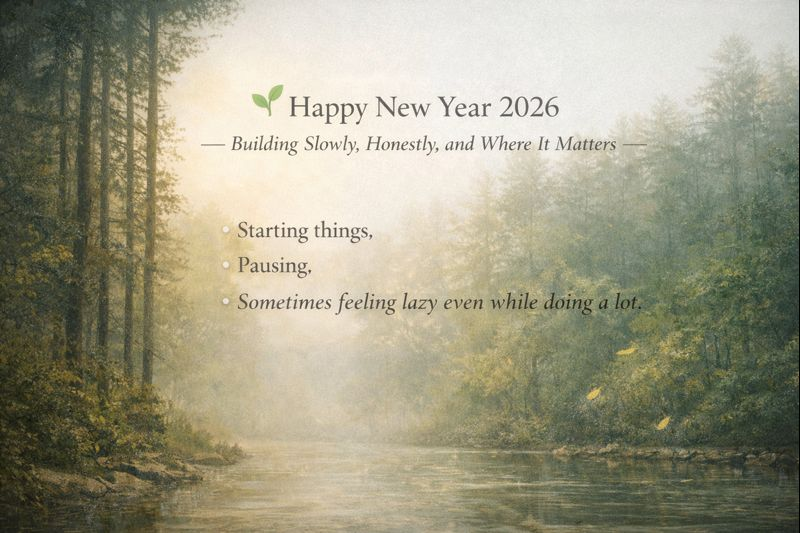
🌱 Happy New Year 2026

A new calendar doesn’t change much —
but pausing to notice what really matters does.

What stays with me is what keeps repeating:

Starting things.
Pausing.
Getting pulled in too many directions.
Sometimes feeling lazy even while doing a lot.

Slowly, a few things have become clearer.

Progress isn’t always visible.
Thinking deeply can look like doing nothing.
Struggle doesn’t disappear just because you care.

I’ve moved between work, ideas, family, writing, and learning —
often feeling stretched, sometimes distracted,
sometimes unsure if I’m doing enough
or even doing the right thing at all.

But this has stayed with me:
doing things with honesty
matters more than doing many things out of pressure.

I’m trying to build slowly.
To support where it actually helps.
To use technology with responsibility.
To not lose myself while trying to be useful.

Some days I move forward.
Some days I just stay still and notice.
And that’s okay.

If what I keep working on helps even a few people —
learn better, think clearer,
or live with a little more dignity —
that feels like the right direction.

That’s enough for now.

Wishing gentle progress and honest days.
— Lekshmana 🤍

How One Small Delay Becomes a Chain Reaction

Let’s talk about that one morning. The one where it started with just… a late wake-up.

No drama. No thunder. Just… 15 minutes late.

You skip your usual coffee. Miss the schoolbook. Kids shuffle around confused.
The van waits. Grandpa gets held up.
You’re racing, but the rhythm is off.
Wife’s voice goes unheard. A page is missed. Someone else now waits because of you.

It wasn’t a disaster. It was just a delay.

But that delay echoed — not loudly, but widely.
One late breath caused a ripple in ten other lungs.

We often think big problems come from big mistakes.
But sometimes they start as an extra snooze tap.

This isn’t guilt. This is awareness.

👉 Your smallest actions? They’re gears in someone else’s day.
👉 Your presence (or pause) affects timing across people you may not even see.

In a world this interconnected, even not moving… moves something.

So what’s the takeaway?

  • Try to be the gear that turns smoothly.
  • Forgive the gear that didn’t — maybe it just needed oil today.
  • Accept that small doesn’t mean insignificant.

Even Pi starts with 3.1 — not infinity.
But it goes.

So do you.

Punishment vs Understanding: A Parent’s Dilemma

(Honest thoughts on raising kids with heart and clarity)

Parenting doesn’t come with perfect documentation — and certainly not with a bug-free implementation.
There’s no one-line method called raise_child(empathetic, confident).

Instead, it’s a constant try…catch.


“Sometimes, I punish him.”

Yes, I do.
Not out of anger, but instinct. Maybe tiredness. Maybe frustration.
And sometimes… because I truly didn’t know what else to do in the moment.

But here’s the part that matters:

After that, I sit with him. I ask why he did it.
I explain why it wasn’t okay.
I don’t just raise my voice. I lower myself to his level.

It’s not about control. It’s about connection.


Kids don’t listen to lectures. They observe humans.

If I mess up, I try to own it.
He watches that.
If I lose my temper, I circle back and talk about it.
He watches that too.

My kid is not a “good boy” just because he follows what I say.
I want him to question. To know why.
Not because I told him, but because he understood it.


So which is right? Punishment or understanding?

Let me be honest.
Both exist. But one should lead the other.

Punishment, when needed, must come from a place of clarity.
Not as a shortcut to obedience, but as a path to realization.
Understanding always follows — and sometimes, should even replace it altogether.

Because understanding creates awareness.
And awareness is the real discipline.


But hey, we’re human.

We slip.
Sometimes we punish before we pause.
Sometimes we shout before we understand.

But if you sit down later, look into those small eyes, and say:

“Appa also makes mistakes. Let’s both try again tomorrow.”
That child learns the most valuable lesson we can teach:
Grace.


Parenting isn’t about being perfect. It’s about being present.

There’s no algorithm for raising a child with heart.
But there’s always space for small updates.
Some patches take time to apply. Some fixes run deep.

But never forget —
Kids don’t grow on commands.
They grow when they feel safe, seen, and supported.

And that… takes understanding.
Even when we start with punishment.


If this resonates, pass it on. Not as advice. But as reflection.

We’re all building our versions of parenthood.
Brick by brick. Word by word.
Mistake by mistake.
With love at the core.

LekshmanaIn


👨‍👩‍👧 பெற்றோராக இருப்பது – தண்டனையா? புரிதலா?

Friends,
சில நேரம்
குழந்தையை அடிச்சுட்டு
அதுக்கப்புறம்
மனசு கனமாகி,
“இது சரியா?”
ன்னு நம்மையே கேட்குற தருணம்
நிறைய பேருக்கு இருக்கும்.

அது எப்போதும்
கோபத்தால மட்டும் நடக்கறது இல்லை.
சில நேரம்
சோர்வு,
வேலை அழுத்தம்,
என்ன செய்யணும்னு தெரியாம,
அந்த நிமிஷத்துல
வந்த ஒரு தவறான முடிவு.

நானும் அப்படித்தான்.
சில சமயம்
குழந்தைக்கு தண்டனை கொடுத்திருக்கேன்.
அது
கோபத்துக்காக இல்லை.
அந்த நேரத்துல
வேற வழி தெரியாம.

ஆனா அதுக்கப்புறம்
நான் அவன்கிட்ட உட்காருவேன்.
“ஏன் அப்படி செய்த?”
“அது ஏன் சரியில்லை?”
ன்னு அமைதியா பேசுவேன்.
கத்துறதை விட,
அவன் உயரத்துக்கு
நானே இறங்கி பேச முயற்சி செய்வேன்.

அப்போதான் புரிஞ்சது —
இது
அடக்கி ஆளுற விஷயம் இல்லை.
ஒரு உறவு பற்றிய விஷயம்.

குழந்தைகள்
நம்ம சொற்பொழிவை
அவ்வளவா கேட்க மாட்டாங்க.
ஆனா
நம்ம நடத்தையை
கவனிப்பாங்க.

நான் தவறு செய்தா
அதை ஒத்துக்கிட்டா,
அவனுக்கு அது தெரியும்.
நான் கோபம் இழந்துட்டு,
பிறகு திரும்ப வந்து பேசினா,
அதையும் அவன் பார்க்குறான்.

என் குழந்தை
நான் சொன்னதால மட்டும்
“நல்ல குழந்தை” ஆகணும்னு
நான் நினைக்கல.
அவன்
கேள்வி கேட்கணும்.
ஏன் சரி?
ஏன் தவறு? ன்னு புரிஞ்சுக்கணும்.
பயத்தால இல்ல —புரிதலால.

அப்படின்னா
எது சரி?
தண்டனையா? புரிதலா?

உண்மை என்னன்னா —
இரண்டுமே வாழ்க்கையில இருக்கும்.
ஆனா
தண்டனை வந்தா,
அதுக்கு பின்
புரிதல் வரணும்.

தண்டனை
சும்மா
கட்டுப்படுத்துவதற்காக
இருக்கக்கூடாது.
அது
புரிய வைக்குற வழியா
இருக்கணும்.

பல நேரம்
புரிதலே
தண்டனையை விட
பலமாக வேலை செய்யும்.

ஏன்னா
ஒரு விஷயத்தை
புரிஞ்சுக்கிட்ட குழந்தை,
அதை மறக்காது.
அது தான்
உண்மையான ஒழுக்கம்.

நம்ம எல்லாருமே மனிதர்கள்.
சில நேரம்
யோசிக்காம
நடந்து விடுவோம்.
புரிய வைக்குறதுக்கு முன்னாடி
கத்தி விடுவோம்.

ஆனா
பிறகு
அந்த குழந்தையைப் பார்த்து,
“அப்பாவும் / அம்மாவும்
சில நேரம் தவறு செய்றோம்.
நாளைக்கு
இருவரும்
மீண்டும் நல்லா முயற்சி பண்ணலாம்” ன்னு சொன்னா —
அந்த ஒரு உரையாடல்
அவனுக்கு
ஒரு பெரிய பாடமாகும்.

பெற்றோராக இருப்பது
perfect ஆக இருப்பது இல்லை.
இருப்பது தான் முக்கியம்.

குழந்தைகள்
கட்டளையால வளர மாட்டாங்க.
அவங்க
பாதுகாப்பா இருக்குனு உணர்ந்தா,
நம்ம கவனம் அவர்கள்மேல இருக்குன்னு உணர்ந்தா,
அன்போட
வழிகாட்டல் கிடைத்தா —
அப்போதான்
அவர்கள் நல்லா வளருவாங்க.

அதுக்காக
நமக்கு
புரிதல் தேவை.
சில நேரம்
நாம் தண்டனையிலிருந்து
தொடங்கினாலும் கூட.

-lekshmana ❤️

The Shoulder Legacy

Some mornings, I carry my son on my shoulder to his van.
He doesn’t ask why — it’s just part of our rhythm.
But in the evening, when his grandfather picks him up, he walks back home on his own.

No complaints. No “Appa carried me, you should too.”

I watched that. And something inside me paused.

Maybe — just maybe —
He already knows.

That his grandfather once carried me on those same roads.
That those shoulders once bore the weight of a boy with dreams, doubts, and school bags twice his size.
That those shoulders carried the legacy, not just the load.

So now, my son walks beside him.
Like saying: “You’ve carried enough. Now, I’ll walk.”

That moment didn’t need words.
It was a quiet relay — one generation handing over strength,
the next carrying respect,
and a child learning both.


Why share this?

Because in the rush of routines and responsibilities,
we sometimes forget —
What we carry matters.
But what we choose not to — also tells a story.

And every small act, even a walk home,
can reflect a lifetime of love,
and the invisible strength passed down without speeches.

This is my note to the future:
Respect is not just taught — it’s felt.
Legacy isn’t built — it’s lived.


👣 ஒரு மாலை நேரக் கவனம்

தினமும் காலையில
என் மகனை
நான் தூக்கி பள்ளி
வண்டி வரைக்கும் கொண்டு போவேன்.

அவன் அதைப்பற்றி
ஒன்னும் கேக்க மாட்டான்.
அது நம்ம routine-ல
ஒரு பகுதி மாதிரி தான்.

மாலை நேரம்
அவன் தாத்தா அவனை கூட்டிட்டு வரும்போது,
அவன் நடந்து தான் வீட்டுக்கு வருவான்.

“அப்பா தூக்கினாரே,
நீங்களும் தூக்கணும்”னு அவன் சொல்லல.

அந்தக் காட்சியை பார்த்தப்போ
எனக்குள்ள
ஒன்று நினைவுக்கு வந்தது.

அவன் சொல்லாமலே
ஏதோ புரிஞ்சுக்கிட்ட மாதிரி தோணிச்சு.

ஒரு காலத்துல
அதே வழில
அவனோட தாத்தா
என்னையும்
இதே தோள்ல தூக்கிட்டு நடந்திருக்காரு.

பள்ளிப்பை,
கனவுகள்,
பயங்கள் —
எல்லாத்தையும் சேர்த்து.

அந்த தோள்கள்
சுமைய மட்டும் இல்ல,
ஒரு பொறுப்பையும்
சுமந்திருக்குது.

இப்போ
அவன் அவங்க பக்கத்துல
நடந்து வர்றான்.

“நீங்க போதுமான அளவுக்கு தூக்கிட்டீங்க.
இப்போ நான் நடக்குறேன்”னு
சொல்லாமலே சொல்லுற மாதிரி.

அந்த நிமிஷத்துக்கு
வார்த்தை தேவையில்லை.

அது
ஒரு தலைமுறையிலிருந்து
அடுத்த தலைமுறைக்கு
அமைதியா செல்கிற
ஒரு புரிதல்.

நான் இதை ஏன் எழுதுறேன்னா —

நம்ம தினசரி வேலைகளில்
அவசரங்களில்
கவனிக்காம போகும்
சின்ன விஷயங்கள்தான்
பெரிய அர்த்தம் கொண்டிருக்கும்.

நாம் என்ன பன்றோம் என்பதையும்,
எதை பன்னாம விட்டோம் என்பதையும்
வாழ்க்கை கவனிக்குது.

மரியாதை
சொல்லிக் கொடுக்கப்படுறது மட்டும் இல்ல.
அது உணரப்படுறது.

பாரம்பரியம்
கட்டப்படுறது இல்ல.
அது நடந்து காட்டப்படுறது.

— LP