Parenting Notes #3 – The 5 Seconds That Decide Everything

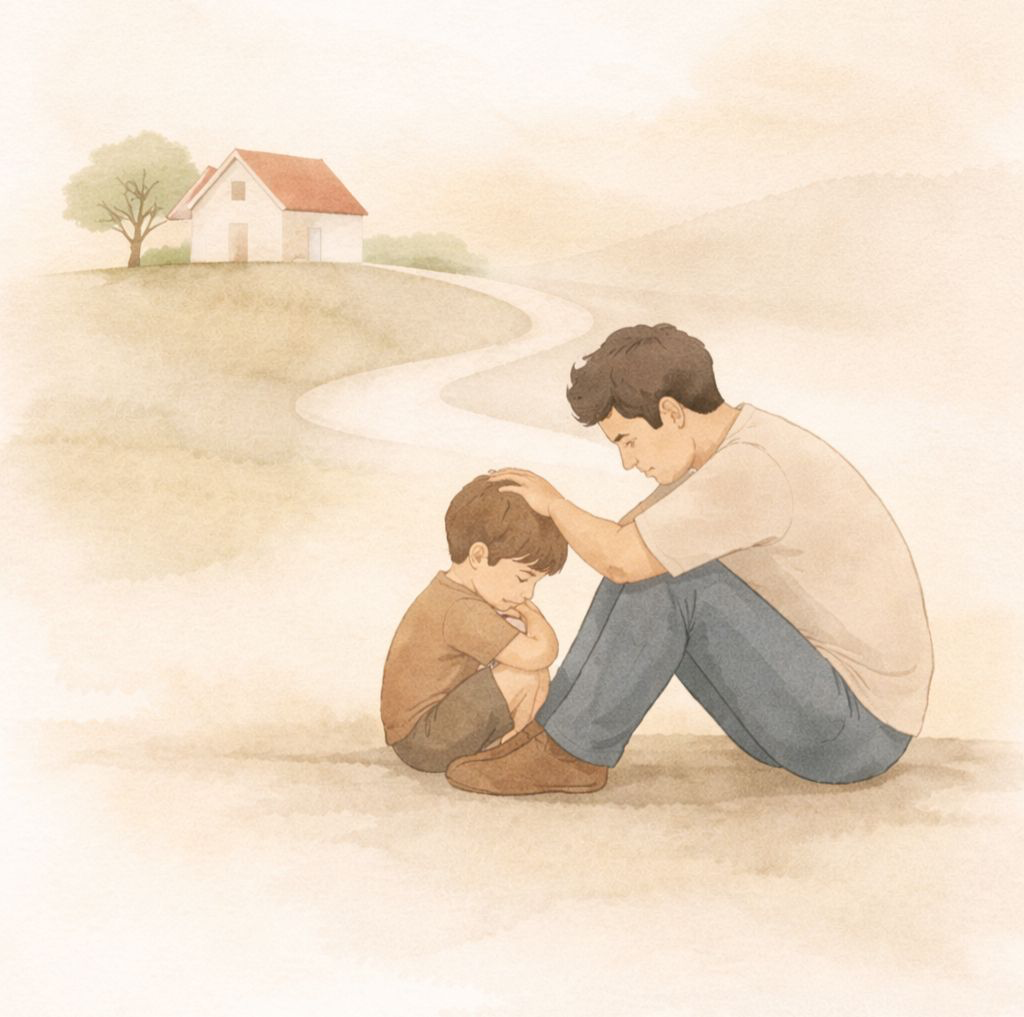
There is a moment in parenting that decides the direction of everything.

It is not long.

Maybe five seconds.

When the child throws something.
When he shouts back.
When he ignores you for the multiple’s time.

In that second, something rises inside.

Heat.
Ego.
Urgency to control the situation.

It feels like:

“This must stop now.”

And if we react instantly,
fear usually becomes the tool.

Voice becomes louder.
Hand becomes faster.
The moment ends quickly.

But what we don’t notice is this:

That five seconds also decides
whether we act from impulse
or from intention.

I am not saying I always succeed.

There are times I react first and think later.

But I am learning one small practice:

Delay the reaction.

Not forever.

Just a few seconds.

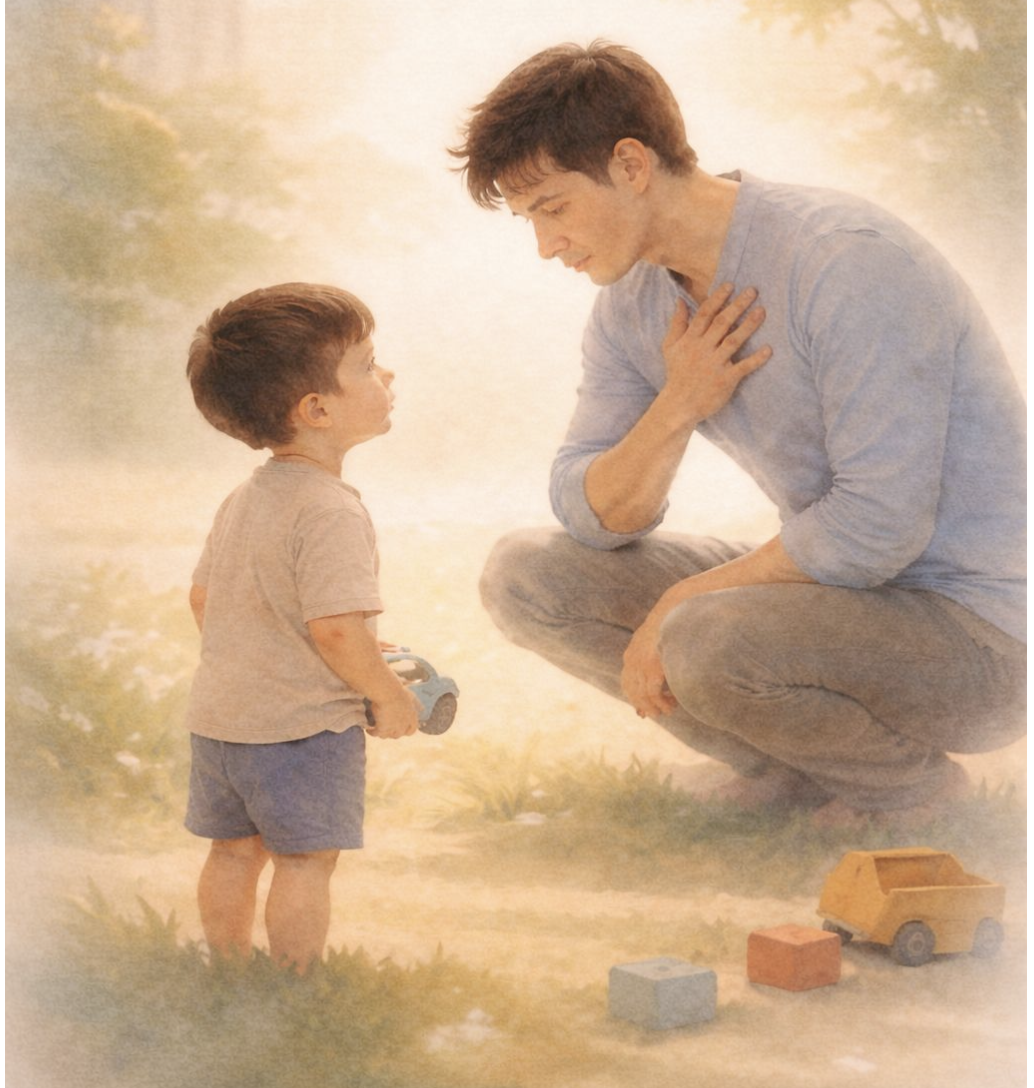
Take one breath.
Lower the tone.
Say one clear sentence.

Instead of shouting repeatedly,
reduce words.

Instead of hitting,
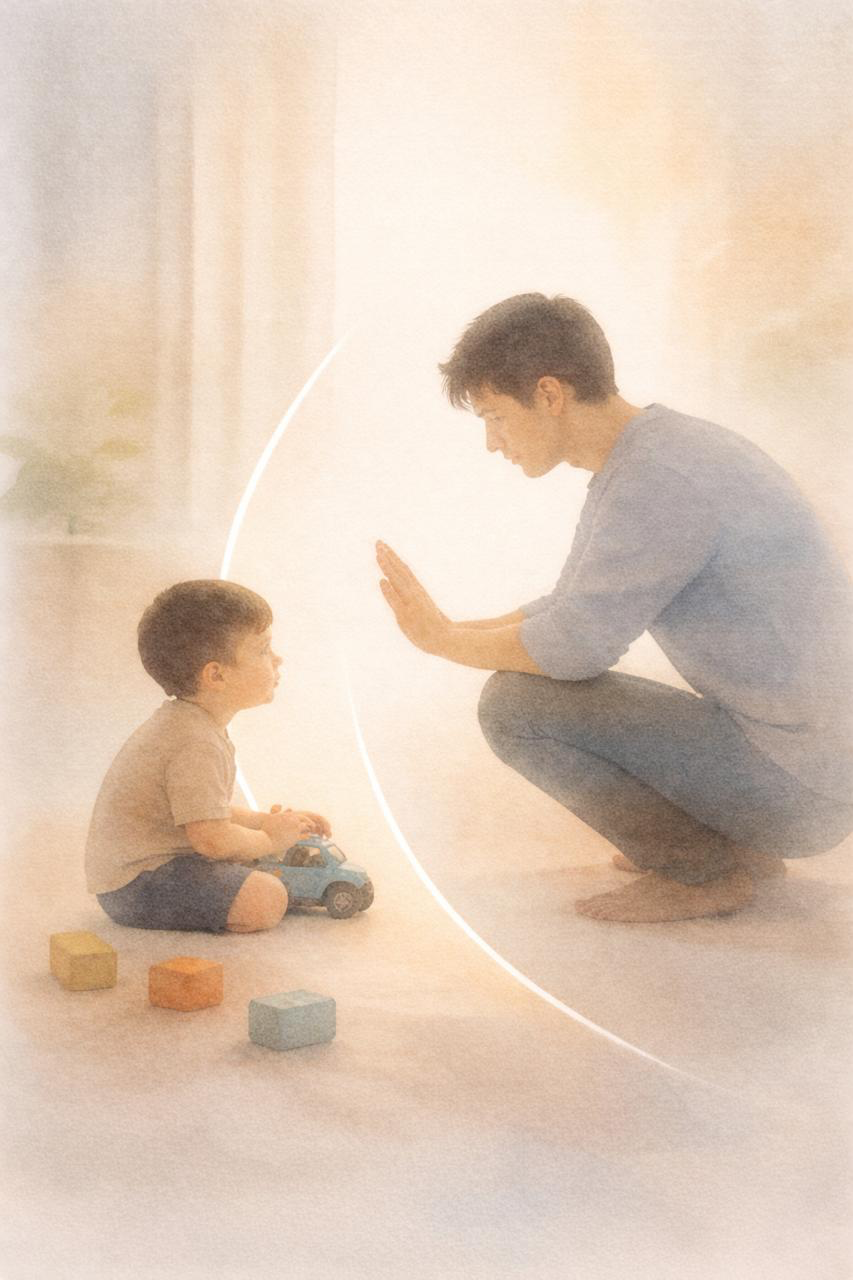
remove the object.

Instead of arguing,
hold the boundary quietly.

It feels less powerful in that moment.

But it feels cleaner later.

Those five seconds are not about the child.

They are about us.

Children are still learning control.

We are expected to already have it.

Sometimes we forget that.

I am still learning to use those five seconds better.

Slowly.


எல்லாவற்றையும் தீர்மானிக்கும் அந்த 5 விநாடிகள்

பெற்றோராக இருப்பதில் ஒரு சிறிய தருணம் இருக்கிறது.
அது எல்லாவற்றையும் தீர்மானிக்கக்கூடும்.

அது நீண்ட நேரம் அல்ல.

சில நேரங்களில் ஐந்து விநாடிகள் மட்டுமே.

குழந்தை ஏதாவது பொருளை எறிந்தால்.

பல முறை சொன்ன பிறகும் கேட்கவில்லை என்றால்.

நாம் சொன்னதை மீண்டும் மீண்டும் புறக்கணித்தால்.

அந்த ஒரு தருணத்தில் உள்ளே ஏதோ எழும்.

சற்று கோபம்.
சற்று அவசரம்.

இந்த நிலைமை உடனே நிறுத்தப்பட வேண்டும் என்ற உணர்வு.

“இது இப்போதே முடிவடைய வேண்டும்.”

அந்த தருணத்தில் நாம் உடனே எதிர்வினை கொடுத்தால்
பயம் தான் கருவியாக மாறிவிடும்.

குரல் உயர்ந்து விடும்.
கை வேகமாகி விடும்.
தருணம் உடனே முடிந்து விடும்.

ஆனால் நாம் கவனிக்காத ஒரு விஷயம் இருக்கிறது.

அந்த ஐந்து விநாடிகள் தான்
நாம் எதையும் சிந்திக்காமல் அதை கேட்க வேண்டும் என்று செய்கிறோமா
அல்லது எண்ணிப் செய்கிறோமா என்பதை தீர்மானிக்கும்.

நான் எப்போதும் இதை சரியாகச் செய்கிறேன் என்று சொல்ல முடியாது.

சில நேரங்களில் நான் முதலில் எதிர்வினை கொடுத்து
பின்னர் தான் யோசிப்பேன்.

ஆனால் நான் ஒரு சிறிய பழக்கத்தை கற்றுக்கொள்ள முயற்சிக்கிறேன்.

உடனடி எதிர்வினையை சற்று தாமதப்படுத்துவது.

நெடுநேரம் அல்ல.

சில விநாடிகள் மட்டும்.

ஒரு மூச்சு விடுதல்.
குரலை தாழ்த்துதல்.
ஒரு தெளிவான வாக்கியம் சொல்வது.

மீண்டும் மீண்டும் சத்தமாக பேசுவதற்கு பதிலாக
சொற்களை குறைத்தல்.

அடிப்பதற்கு பதிலாக
அந்த பொருளை அகற்றுதல்.

விவாதிப்பதற்கு பதிலாக
எல்லையை அமைதியாக நிலைநிறுத்துதல்.

அந்த தருணத்தில் அது சக்தியாகத் தெரியாது.

ஆனால் பின்னர் அது சரியானதாகத் தோன்றும்.

அந்த ஐந்து விநாடிகள் குழந்தையைப் பற்றி அல்ல.

அது நம்மைப் பற்றியது.

குழந்தைகள் இன்னும் கட்டுப்பாட்டை கற்றுக்கொண்டு இருக்கிறார்கள்.

நாம் அதை ஏற்கனவே கற்றிருக்க வேண்டும் என்று எதிர்பார்க்கிறோம்.

சில நேரங்களில் அதை நாமே மறந்து விடுகிறோம்.

அந்த ஐந்து விநாடிகளை சிறப்பாக பயன்படுத்த
நான் இன்னும் கற்றுக்கொண்டு இருக்கிறேன்.

மெதுவாக.

-LP
Parenting Notes #2 – Why Does Kids Keep Doing the Same Thing?

One question I quietly struggled with:

“If I already told him not to do it… why does he do it again?”

Throwing the toy.
Running when I said stop.
Asking again after I clearly said no.

The first time, I explain calmly.
The second time, I repeat.
The third time, irritation begins.

Not because I don’t love him.
But because I expect memory to work the way mine does.

That was my mistake.

A four-year-old (kids) does not process correction the way an adult does.

Impulse is stronger than memory.
Emotion is faster than reasoning.
Desire is louder than logic.

When he asks again for something I already refused,
it is not always manipulation.

Sometimes it is simply hope.

Children test boundaries not to break them —
but to understand where they stand.

If the boundary keeps changing,
they keep testing.

If the boundary stays calm and consistent,
they slowly stop.

Not immediately.
Not in one day.

But gradually.

I am learning that repetition is part of growth.
Not proof of failure.

When he repeats a mistake,
I now try to reduce explanation
and increase consistency.

Less lecture.
More steady response.

“No means no.”
Without anger.
Without drama.

It is harder than it sounds.

Especially when the same thing happens daily.

But I remind myself:

He is not repeating to challenge me.
He is repeating because he is still learning control.

And learning control takes time.

More time than my patience sometimes allows.

So I am working on both —
his impulse control,
and my reaction control.

Both are growing.

Slowly.


Tamil Version

பெற்றோர் குறிப்புகள் #2 – ஏன் குழந்தைகள் மீண்டும் அதே விஷயத்தை செய்கிறான்?

ஒரு கேள்வி நான் அமைதியாக உள்ளுக்குள் போராடியதுண்டு:

“நான் ஏற்கனவே சொல்லிவிட்டேன்… அப்படியிருக்க அவன் மீண்டும் ஏன் செய்கிறான்?”

பொருள்களை எறிதல்.
“நிறுத்து” என்ற பிறகும் ஓடுதல்.
“இல்லை” என்ற பிறகும் மீண்டும் கேட்குதல்.

முதல் முறை நான் அமைதியாகச் சொல்வேன்.
இரண்டாவது முறை மீண்டும் விளக்குவேன்.
மூன்றாவது முறை சற்று கோபம் வரும்.

அது அன்பில்லாததால் அல்ல.
ஆனால் நம்மை போல அவனும் நினைவில் வைத்துக்கொள்ள வேண்டும் என்று எதிர்பார்த்ததால்தான்.

அது என் தவறு.

சிறு வயது குழந்தை பெரியவரைப் போல செயல்படாது்

உந்துதல் (impulse) நினைவைக் காட்டிலும் வலிமையானது.

உணர்ச்சிகள் காரணத்தை விட வேகமானது.

ஆசை தர்க்கத்தை விட சத்தமானது.

“இல்லை” என்ற பிறகும் மீண்டும் கேட்கும்போது
அது எப்போதும் பிடிவாதம் அல்ல.

சில நேரங்களில் அது நம்பிக்கை.

குழந்தைகள் எல்லைகளை உடைக்கத் தேர்வதில்லை.
அவை எங்கே இருக்கிறது என்று புரிந்துகொள்ளத்தான் முயற்சிக்கிறார்கள்.

எல்லை மாறிக் கொண்டே இருந்தால்
அவர்கள் தொடர்ந்து சோதிப்பார்கள்.

எல்லை அமைதியாகவும் நிலையாகவும் இருந்தால்
அவர்கள் மெதுவாக நிறுத்துவார்கள்.

உடனே அல்ல.
ஒரே நாளில் அல்ல.

ஆனால் மெதுவாக.

இப்போது நான் புரிந்துகொண்டது:

மீண்டும் மீண்டும் செய்வது தோல்வியின் அறிகுறி அல்ல.
அது வளர்ச்சியின் ஒரு பகுதி.

அவன் தவறை மீண்டும் செய்தால்
நான் விளக்கத்தை குறைத்து
நிலைத்த பதிலை அதிகப்படுத்த முயற்சிக்கிறேன்.

குறைந்த பேச்சு.
அதிக நிலைத்த தன்மை.

“இல்லை என்றால் இல்லை.”
ஆனால் கோபமின்றி.

இது சொல்லுவது போல எளிதல்ல.

அதே விஷயம் தினமும் நடந்தால் இன்னும் கடினம்.

ஆனால் நான் எனக்குள் நினைவூட்டிக் கொள்கிறேன்:

அவன் என்னை சவால் செய்யவில்லை.
அவன் இன்னும் கட்டுப்பாட்டை கற்றுக்கொண்டிருக்கிறான்.

கட்டுப்பாட்டை கற்க நேரம் தேவை.

என் பொறுமையை விட அதிக நேரம்.

ஆகவே நான் இரண்டையும் வளர்க்க முயற்சிக்கிறேன் —

அவனின் உந்துதல் கட்டுப்பாடு,
என் எதிர்வினை கட்டுப்பாடு.

இரண்டும் மெதுவாக வளர்கின்றன.

– LP❤️

Parenting Notes #1 – Discipline, Fear & What We Are Rethinking

I have been thinking about something many parents quietly struggle with.

We grew up in different environments.
Some of us had strict parents.
Some had calm ones.
Some had a mix of love and loudness.

Not every old-style parent was harsh.
Not every strict home was harmful.

Many of us turned out responsible, capable, and strong.

So when people today say, “Don’t beat children,”
it naturally creates a question inside:

“If we were raised like that and survived,
what is wrong with it?”

That question is valid.

The conversation today is not about disrespecting the past.

It is about understanding impact more deeply.

Fear can stop behavior immediately.
A raised voice can create silence.
A physical correction can create instant obedience.

That is real.

But the deeper question is not:
“Does it stop the behavior?”

The deeper question is:
“What does it build inside the child?”

Fear builds caution.
It builds compliance.
Sometimes it builds distance.

Understanding builds awareness.
It builds internal reasoning.
It builds openness.

Both can create discipline.
But they shape the child differently.

Children still need boundaries.
They still need to hear “No.”
They still need correction when something is wrong.

But maybe correction does not need to begin with fear.

Maybe it can begin with clarity.

That does not mean softness.
It means steadiness.

Now let me be honest.

I still shout sometimes.
I have punished in moments of frustration.
I am not writing this as a perfect parent.

I am writing this as someone who realized later that fear may stop the moment — but it doesn’t solve it.

So what am I trying to do instead?

Nothing dramatic.

Pause before reacting.
Lower the tone instead of raising it.
Hold the boundary without hitting.
And if I slip — repair it.

It is not easy.
Especially if we grew up in similar environments.

But small shifts repeated over time create new habits.

We may not change everything in one day.
But we can change the direction.

And sometimes, that is enough to begin.


கட்டுப்பாடு, பயம் & நாம் மறுபரிசீலனை செய்யும் விஷயம்

பல பெற்றோர்கள் உள்ளுக்குள் யோசித்து கொண்டிருக்கும் ஒரு விஷயம் பற்றி நான் சிந்தித்துக் கொண்டிருக்கிறேன்.

நாம் வெவ்வேறு சூழலில் வளர்ந்தவர்கள்.
சிலருக்கு மிகவும் கட்டுப்பாட்டான பெற்றோர்கள் இருந்திருக்கலாம்.
சிலருக்கு அமைதியானவர்.
சிலருக்கு அன்பும், சத்தமும் கலந்து இருந்திருக்கலாம்.

பழைய தலைமுறையிலிருந்த எல்லா பெற்றோர்களும் கடுமையானவர்கள் இல்லை.
அனைத்து கட்டுப்பாடும் தவறானதல்ல.

நம்மில் பலர் நல்லபடியாக வளர்ந்திருக்கிறோம்.
பொறுப்புடன், வலிமையுடன், வாழ்க்கையில் நிலைத்திருக்கிறோம்.

அப்படியிருக்க, இப்போது “குழந்தைகளை அடிக்கக் கூடாது” என்று சொன்னால் இயல்பாக ஒரு கேள்வி வருகிறது:

“நாம் அப்படித்தான் வளர்ந்தோம். நமக்கு என்ன ஆனது?”

அந்த கேள்வி தவறல்ல.

இது பழைய தலைமுறையை குறை சொல்லும் உரையாடல் அல்ல.

இது தாக்கத்தை ஆழமாகப் புரிந்து கொள்ளும் முயற்சி.

பயம் உடனடி மாற்றத்தை ஏற்படுத்தும்.
சத்தமாக பேசினால் குழந்தை அமைதியாகிவிடும்.
ஒரு அடியில் உடனடி கட்டுப்பாடு கிடைக்கும்.

இது உண்மை.

ஆனால் முக்கியமான கேள்வி வேறு:

“அது குழந்தையின் உள்ளே என்ன மாற்றத்தை ஏற்படுத்துகிறது ?”

பயம் எச்சரிக்கையை உருவாக்கும்.
அது கீழ்ப்படிதலை உருவாக்கும்.
சில சமயம் தூரத்தை உருவாக்கும்.

புரிதல் விழிப்புணர்வை உருவாக்கும்.
உள்ளார்ந்த காரணத்தை உருவாக்கும்.
திறந்த மனதை உருவாக்கும்.

இரண்டிலும் கட்டுப்பாடு இருக்கலாம்.
ஆனால் உருவாகும் மனிதன் வேறுபடுவான்.

குழந்தைகளுக்கு எல்லைகள் தேவை.

“இல்லை” என்று கேட்க வேண்டும்.
தவறுக்கு திருத்தம் வேண்டும்.

ஆனால் அந்த திருத்தம் பயத்தில் தொடங்க வேண்டுமா?

அது தெளிவில் தொடங்க முடியாதா?

இது மென்மை அல்ல.
இது நிலைத்த தன்மை.

இப்போது நாம் நேர்மையாகச் சொல்ல வேண்டும்.

நான் இன்னும் சில நேரங்களில் சத்தமாக பேசிவிடுகிறேன்.
கோபத்தில் தண்டித்த தருணங்களும் இருக்கின்றன.

நான் முழுமையான பெற்றோர் அல்ல.ஆனால் பின்னர் நான் உணர்ந்தது ஒன்று:

பயம் அந்த தருணத்தை நிறுத்தலாம்.
ஆனால் அது முழுமையான தீர்வாகாது.

அதற்கு பதிலாக நான் முயற்சிப்பது என்ன?

பெரிய மாற்றம் எதுவும் இல்லை.

எதிர்வினைக்கு முன் சிறிய அமைதி.

சத்தத்தை உயர்த்தாமல் குரலை தாழ்த்துவது.

அடிக்காமல்,
தவறு செய்தால் பின்னர் சரி செய்வது.

இது எளிதல்ல.
குறிப்பாக அது போன்ற சூழலில் நாம் வளர்ந்திருந்தால்.

ஆனால் சிறிய மாற்றங்கள் மீண்டும் மீண்டும் நடந்தால்,புதிய பழக்கம் உருவாகும்.

ஒரே நாளில் எல்லாம் மாறாது.
ஆனால் திசை மாறலாம்.

சில சமயம் அதுவே ஆரம்பத்திற்கு போதுமானது.

-LP ❤️

Let Them Love the Ordinary

Do not ask your children to chase great achievements.

Do not raise them only to climb higher than someone else.
Do not measure their worth by titles, salaries, or applause.

Instead, ask them something quieter.

Did you laugh today?
Did you notice the rain?
Did you help someone without being asked?

We push them toward “big things.”
Big careers.
Big success.
Big recognition.

But life is not a stage.

It is an evening breeze at the doorway.
It is the smell of food when a mother calls everyone to eat.
It is the sound of a father returning home.
It is small feet running to open the door.

One night, the power goes out.
Darkness fills the room.
A small hand reaches out and wraps around your finger.

In that grip there is fear.
In that grip there is trust.
In that grip there is a silent sentence:
“I’m okay because you’re here.”

In that moment, nothing “big” matters.

Not position.
Not recognition.
Not status.

That warmth — that small hand holding yours —
is more powerful than any achievement.

Teach them this.

Teach them that failure does not reduce love.
If they lose, sit beside them.
Share ice cream.
Let them learn that marks may fall,
but affection does not.

If a pet dies, let them cry.
Let them understand that tears are proof of a soft heart.

If it rains, let them step outside and feel it.
If the sun sets, let them watch it fully.

Because if they cannot love the ordinary,
no “extraordinary” will ever feel enough.

Life is not a race.
It is a gift slowly unwrapped.

When children learn to find joy in simple days,
they do not grow up empty —
even if one day they reach great heights.

And if they never stand on a grand stage,
but know how to hold a hand with warmth,
how to sit with someone in pain,
how to smile at a quiet sunset —
they will have lived deeply.

Do not ask your children to strive only for greatness.
Teach them to be fully alive.

The rest will come on its own.

Inspired by the spirit of “Do Not Ask Your Children to Strive” by William Martin. 🌿


சிறிய விஷயங்களையும் நேசிக்க கற்றுக்கொடுங்கள்

குழந்தைகளிடம்
“பெரிய சாதனை செய்ய வேண்டும்” என்று மட்டும் சொல்லாதீர்கள்.

அவர்களிடம் கேளுங்கள் —
“இன்று சிரித்தாயா?”
“யாருக்காவது உதவினாயா?”
“மழை பெய்யும்போது நின்று பார்த்தாயா?”

நாம் அவர்களை எப்போதும்
பெரிய உயரங்கள் நோக்கி தள்ளுகிறோம்.
பெரிய வேலை.
பெரிய சம்பளம்.
பெரிய பெயர்.

ஆனால் வாழ்க்கை
ஒரு மேடை அல்ல.

அது ஒரு மாலை நேரம்.
வீட்டின் முன் நின்று காற்றை உணரும் நொடி.
அம்மா சாப்பாடு வைக்கும் போது வரும் வாசனை.

தோல்வி வந்தால்
“பரவாயில்லை, இது வாழ்க்கையின் ஒரு பக்கம்” என்று சொல்லுங்கள்.

செல்லப்பிராணி இறந்தால்
“அழாதே” என்று சொல்லாதீர்கள்.
“அழு… அது உன் மனசு மென்மையானது என்பதற்கான சாட்சி” என்று சொல்லுங்கள்.

அப்பா வீடு திரும்பும்போது
கதவைத் திறந்து ஓடி செல்லும் சிறிய கால்கள்.

ஒரு நாள் மின்சாரம் போகிறது.
இருள் வீட்டை நிரப்புகிறது.
சிறிய கை ஒன்று வந்து
உன் விரலைப் பிடிக்கிறது.

அந்த பிடிப்பில்
பயம் இருக்கிறது.
நம்பிக்கை இருக்கிறது.
“நீ இருக்கே” என்ற அமைதி இருக்கிறது.

அந்த நொடியில்
பெரிய சாதனை தேவையில்லை.
பெரிய உலகம் தேவையில்லை.
அந்த சிறிய கையின் வெப்பம் போதும்.

குழந்தைகளுக்கு கற்றுக்கொடுங்கள் —
வாழ்க்கை ஓர் போட்டி அல்ல,
ஒரு அனுபவம்.

சாதாரண நாளை முழுதாக வாழ கற்றுக்கொண்டால்
பெரிய விஷயங்கள் வந்தாலும்
அவர்கள் அதை அமைதியாக ஏற்றுக் கொள்வார்கள்.

மற்றவர்களை மிஞ்ச வேண்டும் என்பதற்காக அல்ல,
வாழ்க்கையை உணர வேண்டும் என்பதற்காக வாழ கற்றுக்கொடுங்கள்.

அப்போது அவர்கள் ஓட வேண்டியதில்லை.
அவர்கள் நின்ற இடமே
மகிழ்ச்சியால் நிரம்பும்.


இந்த எண்ணங்களுக்கு விதை William Martin எழுதிய “Do Not Ask Your Children to Strive” என்ற கவிதையிலிருந்து. 🌿

-LP

Punishment vs Understanding: A Parent’s Dilemma

(Honest thoughts on raising kids with heart and clarity)

Parenting doesn’t come with perfect documentation — and certainly not with a bug-free implementation.
There’s no one-line method called raise_child(empathetic, confident).

Instead, it’s a constant try…catch.


“Sometimes, I punish him.”

Yes, I do.
Not out of anger, but instinct. Maybe tiredness. Maybe frustration.
And sometimes… because I truly didn’t know what else to do in the moment.

But here’s the part that matters:

After that, I sit with him. I ask why he did it.
I explain why it wasn’t okay.
I don’t just raise my voice. I lower myself to his level.

It’s not about control. It’s about connection.


Kids don’t listen to lectures. They observe humans.

If I mess up, I try to own it.
He watches that.
If I lose my temper, I circle back and talk about it.
He watches that too.

My kid is not a “good boy” just because he follows what I say.
I want him to question. To know why.
Not because I told him, but because he understood it.


So which is right? Punishment or understanding?

Let me be honest.
Both exist. But one should lead the other.

Punishment, when needed, must come from a place of clarity.
Not as a shortcut to obedience, but as a path to realization.
Understanding always follows — and sometimes, should even replace it altogether.

Because understanding creates awareness.
And awareness is the real discipline.


But hey, we’re human.

We slip.
Sometimes we punish before we pause.
Sometimes we shout before we understand.

But if you sit down later, look into those small eyes, and say:

“Appa also makes mistakes. Let’s both try again tomorrow.”
That child learns the most valuable lesson we can teach:
Grace.


Parenting isn’t about being perfect. It’s about being present.

There’s no algorithm for raising a child with heart.
But there’s always space for small updates.
Some patches take time to apply. Some fixes run deep.

But never forget —
Kids don’t grow on commands.
They grow when they feel safe, seen, and supported.

And that… takes understanding.
Even when we start with punishment.


If this resonates, pass it on. Not as advice. But as reflection.

We’re all building our versions of parenthood.
Brick by brick. Word by word.
Mistake by mistake.
With love at the core.

LekshmanaIn


👨‍👩‍👧 பெற்றோராக இருப்பது – தண்டனையா? புரிதலா?

Friends,
சில நேரம்
குழந்தையை அடிச்சுட்டு
அதுக்கப்புறம்
மனசு கனமாகி,
“இது சரியா?”
ன்னு நம்மையே கேட்குற தருணம்
நிறைய பேருக்கு இருக்கும்.

அது எப்போதும்
கோபத்தால மட்டும் நடக்கறது இல்லை.
சில நேரம்
சோர்வு,
வேலை அழுத்தம்,
என்ன செய்யணும்னு தெரியாம,
அந்த நிமிஷத்துல
வந்த ஒரு தவறான முடிவு.

நானும் அப்படித்தான்.
சில சமயம்
குழந்தைக்கு தண்டனை கொடுத்திருக்கேன்.
அது
கோபத்துக்காக இல்லை.
அந்த நேரத்துல
வேற வழி தெரியாம.

ஆனா அதுக்கப்புறம்
நான் அவன்கிட்ட உட்காருவேன்.
“ஏன் அப்படி செய்த?”
“அது ஏன் சரியில்லை?”
ன்னு அமைதியா பேசுவேன்.
கத்துறதை விட,
அவன் உயரத்துக்கு
நானே இறங்கி பேச முயற்சி செய்வேன்.

அப்போதான் புரிஞ்சது —
இது
அடக்கி ஆளுற விஷயம் இல்லை.
ஒரு உறவு பற்றிய விஷயம்.

குழந்தைகள்
நம்ம சொற்பொழிவை
அவ்வளவா கேட்க மாட்டாங்க.
ஆனா
நம்ம நடத்தையை
கவனிப்பாங்க.

நான் தவறு செய்தா
அதை ஒத்துக்கிட்டா,
அவனுக்கு அது தெரியும்.
நான் கோபம் இழந்துட்டு,
பிறகு திரும்ப வந்து பேசினா,
அதையும் அவன் பார்க்குறான்.

என் குழந்தை
நான் சொன்னதால மட்டும்
“நல்ல குழந்தை” ஆகணும்னு
நான் நினைக்கல.
அவன்
கேள்வி கேட்கணும்.
ஏன் சரி?
ஏன் தவறு? ன்னு புரிஞ்சுக்கணும்.
பயத்தால இல்ல —புரிதலால.

அப்படின்னா
எது சரி?
தண்டனையா? புரிதலா?

உண்மை என்னன்னா —
இரண்டுமே வாழ்க்கையில இருக்கும்.
ஆனா
தண்டனை வந்தா,
அதுக்கு பின்
புரிதல் வரணும்.

தண்டனை
சும்மா
கட்டுப்படுத்துவதற்காக
இருக்கக்கூடாது.
அது
புரிய வைக்குற வழியா
இருக்கணும்.

பல நேரம்
புரிதலே
தண்டனையை விட
பலமாக வேலை செய்யும்.

ஏன்னா
ஒரு விஷயத்தை
புரிஞ்சுக்கிட்ட குழந்தை,
அதை மறக்காது.
அது தான்
உண்மையான ஒழுக்கம்.

நம்ம எல்லாருமே மனிதர்கள்.
சில நேரம்
யோசிக்காம
நடந்து விடுவோம்.
புரிய வைக்குறதுக்கு முன்னாடி
கத்தி விடுவோம்.

ஆனா
பிறகு
அந்த குழந்தையைப் பார்த்து,
“அப்பாவும் / அம்மாவும்
சில நேரம் தவறு செய்றோம்.
நாளைக்கு
இருவரும்
மீண்டும் நல்லா முயற்சி பண்ணலாம்” ன்னு சொன்னா —
அந்த ஒரு உரையாடல்
அவனுக்கு
ஒரு பெரிய பாடமாகும்.

பெற்றோராக இருப்பது
perfect ஆக இருப்பது இல்லை.
இருப்பது தான் முக்கியம்.

குழந்தைகள்
கட்டளையால வளர மாட்டாங்க.
அவங்க
பாதுகாப்பா இருக்குனு உணர்ந்தா,
நம்ம கவனம் அவர்கள்மேல இருக்குன்னு உணர்ந்தா,
அன்போட
வழிகாட்டல் கிடைத்தா —
அப்போதான்
அவர்கள் நல்லா வளருவாங்க.

அதுக்காக
நமக்கு
புரிதல் தேவை.
சில நேரம்
நாம் தண்டனையிலிருந்து
தொடங்கினாலும் கூட.

-lekshmana ❤️